What Is a SEG Backlit Display?
A SEG backlit display — short for Silicone Edge Graphic backlit display — is a modern, frameless fabric signage system that combines a thin aluminium frame, an LED light panel, and a printed stretch fabric graphic whose edges are finished with a silicone bead, or "gasket." That silicone bead clicks into a routed channel on the frame, pulling the fabric drum-tight and creating a perfectly flat, seamless image with no visible hardware, no wrinkles, and zero glare from traditional frames.
The technology was originally developed for high-end trade show booths, but today it appears in flagship retail stores, airport lounges, hotel lobbies, stadiums, pop-up events, and museum installations worldwide. For brands that want brilliant, edge-to-edge visuals without the complexity of a digital screen, seg backlit display systems from Birttani offer a complete range of aluminium profiles, LED panels, and custom-printed backlit fabrics that deliver outstanding results across every application.
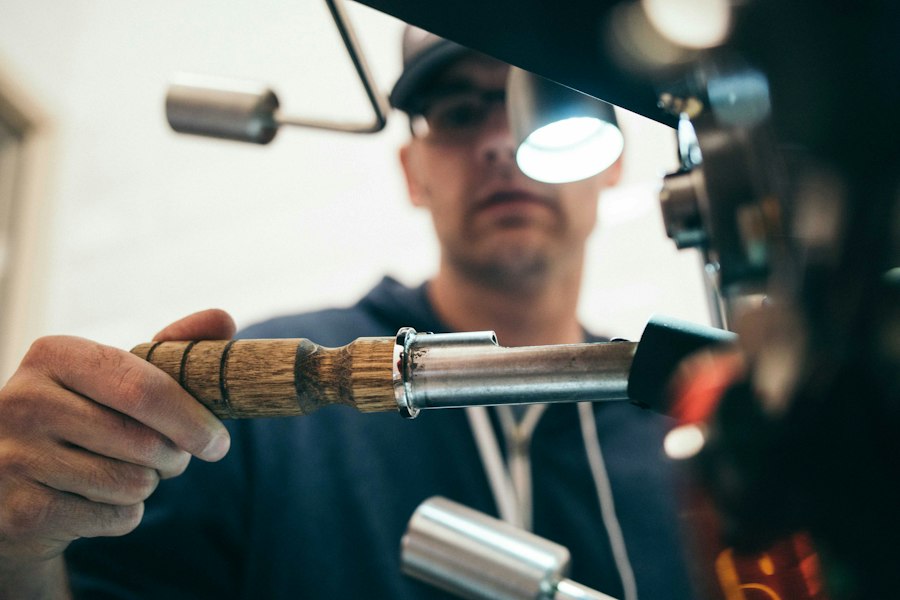
The silicone bead being inserted into the aluminium frame channel — the core mechanism of any SEG display.
Types of SEG Backlit Displays
Not all SEG displays are the same. Manufacturers produce several profile types to suit different installation environments, graphic sizes, and lighting requirements. Understanding the differences will help you specify the right system for your project.
1. Single-Sided SEG Lightbox
The most common configuration. A single fabric graphic is stretched over a one-sided frame with LED backlighting. Perfect for wall-mounted brand walls, retail feature walls, and exhibition backdrops. Depths typically range from 60 mm to 130 mm depending on the light diffusion distance required.
2. Double-Sided SEG Lightbox
Two fabric graphics stretch over a central frame — one on each face. Ideal for hanging installations in atriums, shopping centres, or trade show aisles where the display is visible from both directions. The same LED engine illuminates both faces, keeping weight and power consumption low.
3. Freestanding SEG Display
A self-supporting version mounted on a base or feet rather than fixed to a wall. These are popular at retail point-of-sale locations, event entrances, and hotel lobbies. Some systems include a wheeled trolley base for easy repositioning.
4. Curved & Shaped SEG Frames
Advanced aluminium extrusions allow frames to be bent into arcs, circles, or custom silhouettes. Curved SEG displays are frequently used for branded immersive environments, museum installations, and experiential marketing activations.
5. Hanging Banner SEG System
Ceiling-suspended fabric lightboxes that create eye-catching overhead branding in retail environments, airports, and convention halls. These are usually double-sided and engineered with aircraft-cable suspension kits.
| Type | Best For | Typical Depth | Mounting |
|---|---|---|---|
| Single-Sided Lightbox | Retail walls, exhibitions | 60–130 mm | Wall-fixed |
| Double-Sided Lightbox | Atriums, trade show aisles | 80–150 mm | Wall or hanging |
| Freestanding SEG | POS, event entrances | 80–130 mm | Floor base / feet |
| Curved SEG | Immersive brand environments | Variable | Wall or structural |
| Hanging Banner | Airports, convention halls | 60–120 mm | Ceiling cable |
Key Benefits of SEG Backlit Display Technology
The rapid global adoption of SEG backlit displays is no accident. These systems offer a compelling set of advantages over traditional rigid lightboxes, vinyl banners, and conventional printed displays.
Frameless, Edge-to-Edge Visuals
No visible borders interrupt your graphic — the image extends right to the edge of the aluminium profile, maximising visual impact.
Brilliant, Even Illumination
LED panels with diffuser sheets produce consistent brightness from corner to corner — no hot spots or dark patches.
Fast Graphic Swap
Changing the graphic takes minutes — simply unzip the bead and insert a new fabric. No tools, no downtime.
Lightweight & Portable
Aluminium frames and fabric graphics weigh a fraction of traditional lightboxes, reducing shipping and installation costs.
Eco-Friendly & Reusable
The same frame can be reused season after season — only the fabric graphic is replaced, dramatically cutting material waste.
Vibrant, True-Colour Printing
Dye-sublimation printing on backlit fabric produces vivid, photographic-quality graphics with excellent colour gamut.
Where SEG Backlit Displays Are Used
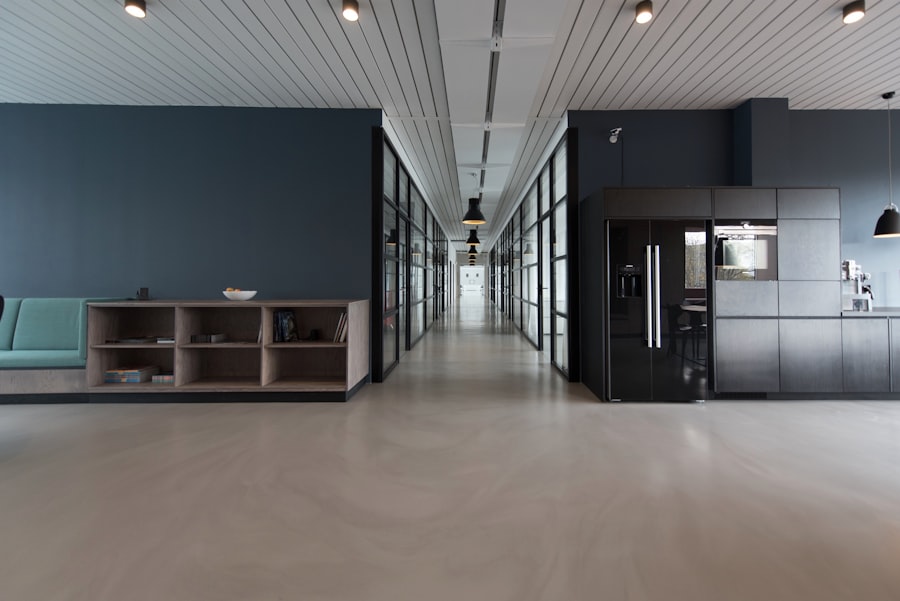
Large-format SEG backlit displays create an immersive brand environment in modern retail interiors.
SEG backlit displays are remarkably versatile. Their clean aesthetics, modular profiles, and tool-free graphic swapping make them the preferred choice across a wide range of industries.
Retail & Fashion
Global fashion houses and high-street retailers use SEG lightboxes for seasonal campaign walls, window installations, fitting-room feature walls, and in-store navigation totems. The backlit fabric makes campaign imagery appear as vivid as a digital screen — but without the complexity, cost, or power consumption of a full LED video wall.
Trade Shows & Exhibitions
The trade show industry was the birthplace of SEG technology, and it remains its heartland. Exhibition stands built around SEG backlit frames look professional and premium even at moderate budgets. Aluminium profiles can be assembled into complex booth structures — walls, columns, arched ceilings, and counters — then flat-packed and reused at the next show.
Hospitality & Hotels
Hotel lobbies, restaurants, and spa reception areas use SEG lightboxes to create ambient, brand-consistent feature walls. The ability to change graphics seasonally — without structural renovation — is particularly valued by hospitality operators who need to keep environments feeling fresh.
Airports & Transport Hubs
Large-scale hanging SEG banners and backlit wall panels are a dominant feature of international airports. Their high brightness, visual clarity at distance, and ability to swap advertising creative quickly make them ideal for this high-footfall environment.
Stadiums & Entertainment Venues
Concourse branding, sponsorship panels, and VIP lounge feature walls in stadiums are increasingly executed in SEG backlit fabric. The lightweight format makes installation in elevated positions safer and faster than traditional rigid signage.
Healthcare & Wellbeing
Clinics, hospitals, and wellness centres use SEG lightboxes displaying nature photography and calming imagery to create therapeutic environments. Research suggests that biophilic imagery displayed in bright, clear formats can positively influence patient experience and staff wellbeing.
How Does a SEG Backlit Display Work?
Understanding the engineering behind SEG displays helps you make better decisions when specifying a system. There are four key components:
- Aluminium Extrusion Frame: The structural backbone of the display. Profiles are engineered with a routed channel (typically 3 mm wide) that runs around the entire perimeter. The depth and profile shape determine the display's shadow gap, fabric tension, and maximum allowable graphic size.
- LED Light Panel: Ultra-slim LED light panels are recessed inside the frame depth. Modern panels use high-CRI LEDs (typically CRI 90+) to reproduce fabric colours accurately. A white diffuser sheet in front of the panel ensures even light distribution.
- Diffuser Sheet: A translucent acrylic or polycarbonate sheet positioned between the LEDs and the fabric graphic. This component is critical for achieving uniform illumination — it scatters individual LED point sources into a smooth, consistent field of light.
- SEG Fabric Graphic: The printed stretch fabric — typically a 100% polyester knit material — is printed via dye-sublimation. The edges are sewn with a flexible silicone bead that is pressed into the frame channel, pulling the fabric taut and locking it in place.
SEG Backlit Display Buying Guide
With hundreds of suppliers and dozens of profile systems on the market, choosing the right SEG display can feel overwhelming. This guide walks you through the most important factors to evaluate.
Frame Profile Quality
The aluminium extrusion is the part you will reuse most. Look for frames made from anodised 6063-T5 or equivalent alloy — these resist corrosion and maintain dimensional accuracy under load. The channel width must be perfectly consistent, or the silicone bead will not seat evenly, causing the fabric to wrinkle at the edges.
LED Specification
Check the colour temperature (typically 5000–6500K for retail environments, 3000–4000K for hospitality) and CRI rating. A CRI below 85 will distort the perceived colours in your printed graphic, making flesh tones look greenish and reds appear muddy.
Fabric Printing Quality
Always request a printed sample from your supplier before committing. Examine the sample against a backlight — check for colour saturation, print sharpness, and whether the fabric base colour influences the image. High-quality backlit fabric has a near-white base to prevent colour shift.
Channel Depth & Tension
A deeper channel allows more silicone bead to be seated, creating greater tension on the fabric. This matters for large formats — over 2 metres in any dimension — where insufficient tension leads to visible fabric sag.
- What is the LED uniformity percentage across the panel?
- What is the warranty on the LED engine?
- Can the frame be extended or joined to create larger walls?
- Is the silicone channel compatible with industry-standard 3 mm bead?
- What is the lead time for replacement fabric graphics?
Installation & Maintenance Tips
SEG backlit displays are one of the most installer-friendly signage formats available — but there are a few best practices that prevent avoidable problems.
Pre-Installation Checks
Before mounting, verify that the wall surface can support the frame weight plus any dynamic load. For large formats over 3 square metres, use structural wall anchors rather than standard screws. Check that the power supply route is planned before the frame is fixed — retrofitting cable channels afterwards is disruptive.
Fabric Insertion Technique
Always start inserting the silicone bead at the centre of each side and work outward toward the corners — never start at corners. This prevents fabric from bunching and ensures even tension across the graphic surface. Use a rounded plastic insertion tool to avoid damaging the silicone bead or the frame channel.
Cleaning & Care
The aluminium frame can be wiped with a damp cloth and mild detergent. Most dye-sublimation printed fabrics are machine washable at 30°C — a major advantage over vinyl displays. After washing, allow the fabric to dry fully before re-insertion to prevent mould formation inside the frame cavity.
LED Maintenance
Modern LED panels in quality SEG lightboxes are rated for 50,000+ hours — equivalent to over 10 years of typical retail use at 12 hours per day. If an LED panel fails, contact the supplier for a replacement module rather than attempting repair.
SEG Backlit Display vs Other Display Technologies
| Technology | Visual Impact | Cost | Graphic Swap | Weight | Reusability |
|---|---|---|---|---|---|
| SEG Backlit Fabric | ⭐⭐⭐⭐⭐ | Medium | Minutes | Light | Very High |
| Rigid LED Lightbox | ⭐⭐⭐⭐ | High | Complex | Heavy | Medium |
| LED Video Wall | ⭐⭐⭐⭐⭐ | Very High | Instant | Heavy | High |
| Vinyl Banner | ⭐⭐ | Low | Full replace | Light | Low |
| Traditional Poster | ⭐⭐ | Low | Full replace | Light | Very Low |
Frequently Asked Questions
What does SEG stand for in SEG display?
SEG stands for Silicone Edge Graphic. It refers to the silicone bead sewn onto the edge of the printed fabric graphic and inserted into a channel in the aluminium frame to hold the graphic in place under tension.
What type of fabric is used in SEG displays?
The most common fabric is a stretch polyester knit — typically 200–280 gsm — treated for dye-sublimation printing. Backlit fabric variants have a specific optical coating to maximise light transmission while maintaining colour accuracy.
How large can an SEG backlit display be?
Single-piece fabric graphics can be produced up to approximately 3.2 metres in width on most dye-sublimation printers. For larger installations, modular SEG frames can be joined edge-to-edge with joining profiles to create seamless walls of virtually any size.
Can SEG frames be used outdoors?
Standard SEG frames are designed for indoor use. Outdoor-rated SEG systems exist with powder-coated weatherproof aluminium profiles, sealed LED modules, and UV-stable backlit fabric — but these are specialist products and should be specified with care.
How do I get the best colour accuracy in backlit SEG graphics?
Work with a printer that uses a backlit-specific ICC colour profile for their fabric and ink combination. Approve a physical backlit proof before full production. Colours look brighter when backlit, so slightly desaturating your source artwork is usually advisable.
Conclusion
The SEG backlit display has earned its dominant position in the modern visual communications industry — and for good reason. No other format combines such a high level of visual impact with genuine practical convenience: lightweight frames, tool-free graphic replacement, energy-efficient LED illumination, and a clean, frameless aesthetic that suits any environment from luxury retail to industrial trade show floors.
Whether you are specifying a single reception feature wall or designing a 200-square-metre exhibition booth, understanding the core principles of SEG technology — the profile system, the LED specification, the fabric quality, and the installation best practices — puts you in the strongest position to deliver a result that impresses clients, elevates brands, and stands up to real-world use over time.